



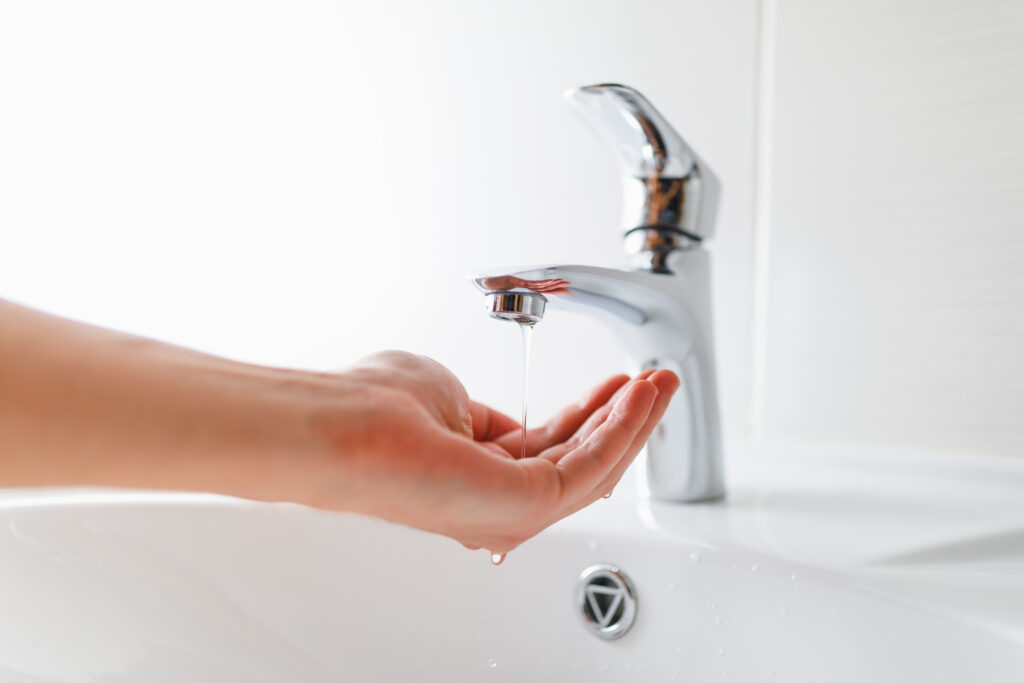
Nothing is quite as frustrating as stepping into the shower only to be met with a weak trickle of water. Whether you are dealing with water that comes out too aggressively or barely flows at all, water pressure issues are among the most common plumbing complaints for homeowners. Understanding how your home’s water distribution system works is the first step to solving the problem. Let’s break down the difference between pressure and flow, how different water sources affect your system, and the common culprits behind poor performance.
Water Pressure vs. Water Flow: What’s the Difference?
While they sound like the same thing, water pressure and water flow are two different measurements, and understanding the difference can help you identify your plumbing issue:
Water Pressure (PSI): This is the actual physical force pushing water through your pipes. Normal residential water pressure typically falls between 45 and 80 PSI. If your pressure is too high, it stresses your pipes and appliances; if it’s too low, water won’t reach the upper levels of your home effectively.
Water Flow (GPM): Flow rate, measured in Gallons Per Minute, is the volume of water coming out of a fixture at a given time.
How they work hand in hand: High pressure drives a greater flow rate, and low pressure results in a lower flow rate. However, you can have excellent water pressure pushing from the street but terrible water flow at the faucet if something inside the pipe is physically blocking the water from getting through.
Differing Symptoms:
- Pressure issues often affect the entire house at once. For example, if you turn on the kitchen sink and the shower suddenly drops to a trickle, the system is struggling to maintain pressure across multiple open taps.
- Flow issues are often isolated. If the bathroom sink has a weak stream but the shower works perfectly, you likely have a localized flow restriction, like a clogged aerator.
Municipal Water Systems vs. Well Water
Where your water comes from plays a massive role in how pressure is generated and maintained.
Municipal (City) Water: City water is usually pressurized by water towers and large municipal pumps. Depending on your home’s proximity to a tower, fire hydrant, or the elevation of your neighborhood, city water pressure can actually be too high. When city pressure fluctuates, your home feels it.
Well Water: Homes on private wells rely entirely on a well pump and a localized pressure tank to generate water pressure. If you have well water, low pressure is often a direct symptom of a failing well pump, a waterlogged pressure tank, or a clogged sediment filter.
The Unsung Heroes: PRVs and Expansion Tanks
If you are on city water, two critical components work together to protect your home’s plumbing from pressure damage:
The Pressure Reducing Valve (PRV): Because municipal water pressure can sometimes spike over 100 PSI, a PRV is installed on your main water line where it enters the house. It automatically reduces high, aggressive street pressure down to a safe, usable range (around 50-60 PSI). If your PRV fails, you might experience sudden, dangerously high pressure or an unexplained drop in pressure.
The Thermal Expansion Tank: While the PRV holds back pressure from the street, the expansion tank manages pressure created inside your home. When your water heater heats up cold water, the water expands. In a closed plumbing system, this thermal expansion causes a massive pressure spike. The expansion tank acts as a shock absorber, taking in that expanded water and protecting your pipes and fixtures from bursting.
Common Culprits of Poor Water Flow and Pressure
If your pressure gauge reads normally but your fixtures are still sputtering, the issue is likely a restriction somewhere in the distribution line.
Fixture and Valve Issues: Over time, the aerators on your faucets and the cartridges inside your shower valves can become clogged with sediment, calcium, and hard water scale. Additionally, verify that the main shut off valve to your home and the individual supply valves under your sinks are opened all the way. A partially closed valve is a very common cause of restricted flow.
Supply Piping and Mineral Buildup: Older homes with galvanized steel pipes are notorious for internal rusting and mineral buildup. As scale thickens on the inside of the pipes, the diameter shrinks, making it impossible for adequate water volume to pass through.
Tree Roots and Crushed Lines: The underground supply line running from the street meter to your house is vulnerable to nature. Aggressive tree roots can wrap around the supply piping, eventually crushing or breaching the line, which drastically cuts off water flow to the house before it even reaches the PRV.
Let the Experts Solve Your Water Pressure Problems!
Water pressure issues can be complex, and guessing at the solution can lead to costly mistakes. At NCWaterHeaters.com LLC /NCPlumbingServices.com, our licensed technicians are experts in residential water distribution systems.
Whether you need a new PRV installed, an expansion tank replaced, or underground supply piping repaired, we have the tools to diagnose the exact cause of your pressure or flow issues and fix it right the first time.
Our Service Area
We proudly provide expert plumbing services throughout the greater Triangle region, including Raleigh, Cary, Apex, Holly Springs, Fuquay-Varina, Wake Forest, Garner, Rolesville, Wendell, Zebulon, and more!
Don’t live with frustrating water pressure for another day. Contact the professionals at NCWaterHeaters.com / NCPlumbingServices.com for a comprehensive plumbing assessment!