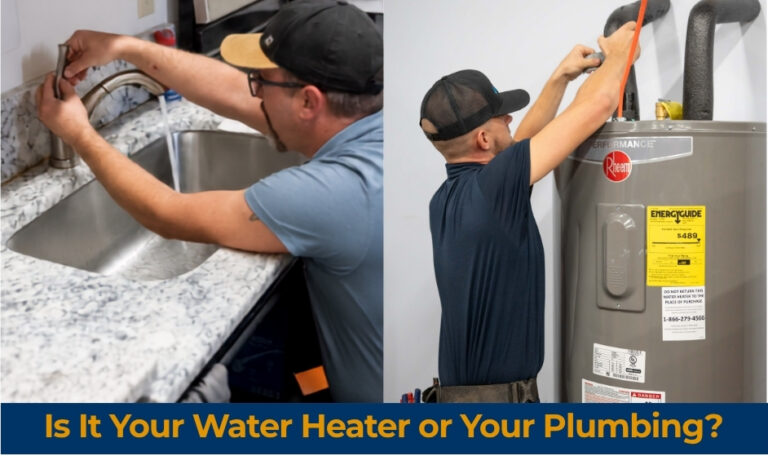
Is It Your Water Heater or Your Plumbing? How to Read the Warning Signs
We rely on our water heaters every single day for cooking, cleaning, and comfortable showers.
Fuel piping is what keeps your home’s gas-powered appliances—like stoves, fireplaces, water heaters, and furnaces—running smoothly. This piping, whether black iron, galvanized steel, copper, or flexible CSST, can wear down over time or develop leaks. If you catch a whiff of gas, notice appliances not working as they should, or get a failed inspection, it might be time for a repair or replacement. A little maintenance now and then keeps your fuel piping safe, efficient, and ready to power your home.
Our team is standing by and ready 24/7 to help you with:
Yes we can! We’ll safely run a gas line to your grill so you can skip the propane tank shuffle and enjoy steady, reliable fuel every time you fire it up.
Signs can include the smell of sulfur or rotten eggs, hissing sounds near a gas line, or unexplained increases in your gas bill. Call your utility company or 911 immediately if you suspect a leak.
We recommend having them checked every year or two, or anytime you notice performance issues with gas appliances.
With proper installation and maintenance, they can last decades!
Common causes include corrosion, physical damage, faulty fittings, or aging pipes.


We rely on our water heaters every single day for cooking, cleaning, and comfortable showers.
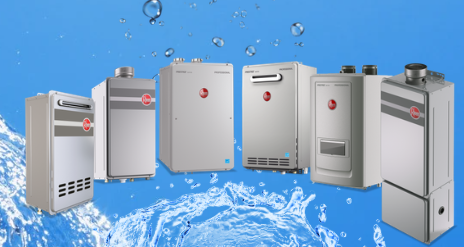
Upgrading to a tankless or high-efficiency water heater is one of the best investments you