




Preparing your home’s electrical system before fall is essential as energy demands shift toward heating, indoor lighting, and holiday preparations. Here are 10 key electrical issues to inspect and resolve before autumn arrives:
1. Overloaded or Aging Electrical Panel
Fall and winter bring increased demand from space heaters, electric furnace heat strips and blowers, as well as holiday lighting. An outdated or under-capacity breaker panel (or fuse box) can trip constantly or pose a severe safety hazard.
Have one of our licensed electricians perform a breaker panel assessment to ensure your service panel can safely handle your seasonal electrical load.
2. Malfunctioning Outdoor Outlets (GFCIs)
Fall dampness and fallen leaves expose outdoor outlets to moisture. Non-working or non-GFCI (Ground Fault Circuit Interrupter) outlets near yards, patios, or entryways create shock risks when powering lawn equipment or exterior decor.
Test all exterior outlets using the “Test” and “Reset” buttons or a plug in GFCI tester. Replace any damaged weather-resistant covers and swap old non-GFCI outlets with code-compliant ones. Also be sure to check that the outlets are weather resistant to ensure they stand up to the weather.
3. Frayed, Worn, or Damaged Extension Cords
Pulling out stored extension cords for fall yard tools (leaf blowers, edgers) or outdoor displays often exposes cracked insulation or exposed wiring.
Inspect every cord before use. Never wrap frayed cords in electrical tape as a long-term fix. Discard damaged cords immediately and use heavy-duty, outdoor-rated cords appropriate for high-wattage tools.
4. Poorly Grounded Heating Systems
HVAC systems and electric space heaters require proper grounding to safely dissipate power surges and prevent electrical shocks.
Have an HVAC technician or electrician inspect furnace wiring, blower connections, and thermostat wiring prior to switching on heat for the season.
5. Outdated or Inefficient Thermostat Wiring
Loose connections or worn wiring behind your thermostat can lead to erratic heating cycles, unnecessarily high energy bills, or total furnace failure during cold spells.
Tighten thermostat wire connections or upgrade to a modern smart thermostat that optimizes your heating schedule and detects system faults.
6. Burning Smells or Warm Wall Switches/Outlets
Increased indoor lighting and heavy appliance usage in fall can highlight loose internal wiring connections (arcing), causing outlets or switches to warm up or emit a faint fishy/burning smell.
Stop using the outlet or switch immediately, turn off the breaker for that circuit, and have one of our electricians replace the faulty device
7. Flickering or Buzzing Fixtures
As days shorten, light fixtures remain on longer. Buzzing sounds or flickering bulbs usually point to loose connections, overloading on a lighting circuit, or incompatible dimmer switches.
Swap out loose switches, ensure dimmers match the LED bulb wattage requirements, and tighten fixture mounting connections.
8. Non-Working Smoke and Carbon Monoxide Detectors
With doors and windows sealed tight and fuel-burning heating systems active, fall and winter present the highest risk for carbon monoxide buildup and home fires.
Test all smoke and CO detectors on every level of your home. Replace backup batteries (or upgrade to 10-year sealed unit detectors) and check expiration dates as most units need full replacement every 10 years. These expiration dates are located on the back of the units. Smoke detectors are required inside each bedroom as well as outside each bedroom (within 10-15ft). Newer homes will already be wired for this but older homes are not due to them not being code required. There are many options for these older homes to upgrade to a fully interconnected wireless system to give you the most safety for your family without the need to run wires.
9. Lack of Whole-Home Surge Protection
Late summer and early fall storms can trigger severe power surges that destroy sensitive electronics, modern HVAC control boards, and major kitchen appliances.
Install a whole-home surge protective device (SPD) at your main electrical breaker panel to shield all household circuits from line spikes. A new main grounding system may also be required to allow the surge protector to properly do its job by using this grounding system to properly disperse the surge away from the electrical system.
10. Unused or Inadequately Powered Space Heater Outlets
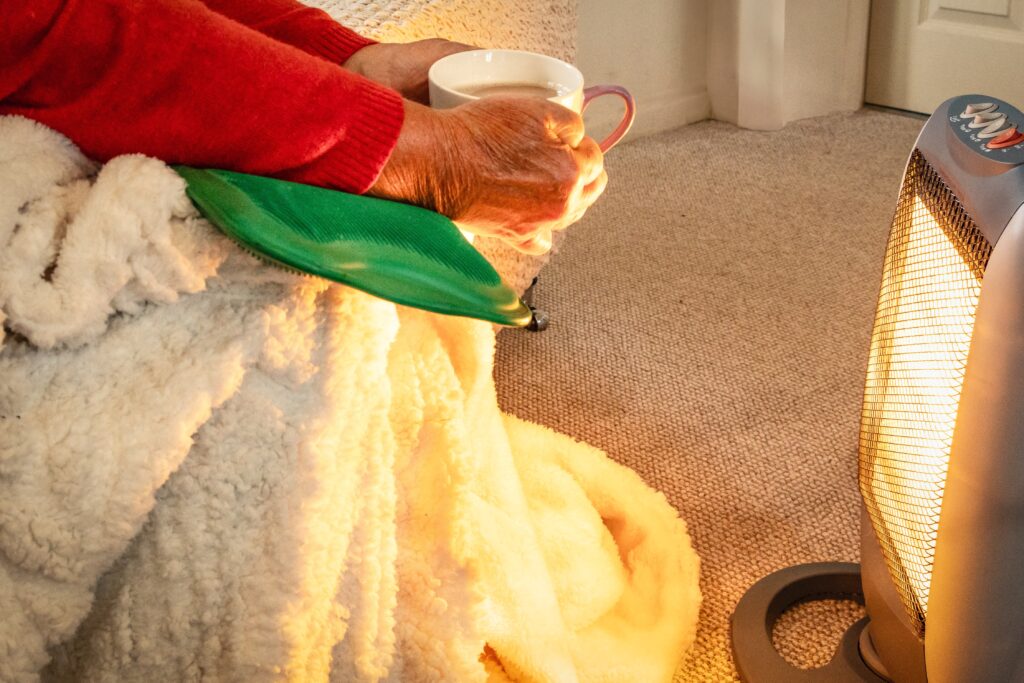
Plugging high-wattage space heaters into standard power strips, extension cords, or overloaded multi-outlet adapters causes rapid thermal buildup and is a major cause of residential fall/winter fires.
Ensure space heaters are plugged directly into dedicated wall outlets that can support 1,500 watts safely, and never leave them unattended. Many “small” space heaters will still max out a standard circuit in a home. All space heaters required a dedicated 20 amp circuit to allow for the safe operation of these appliances.