




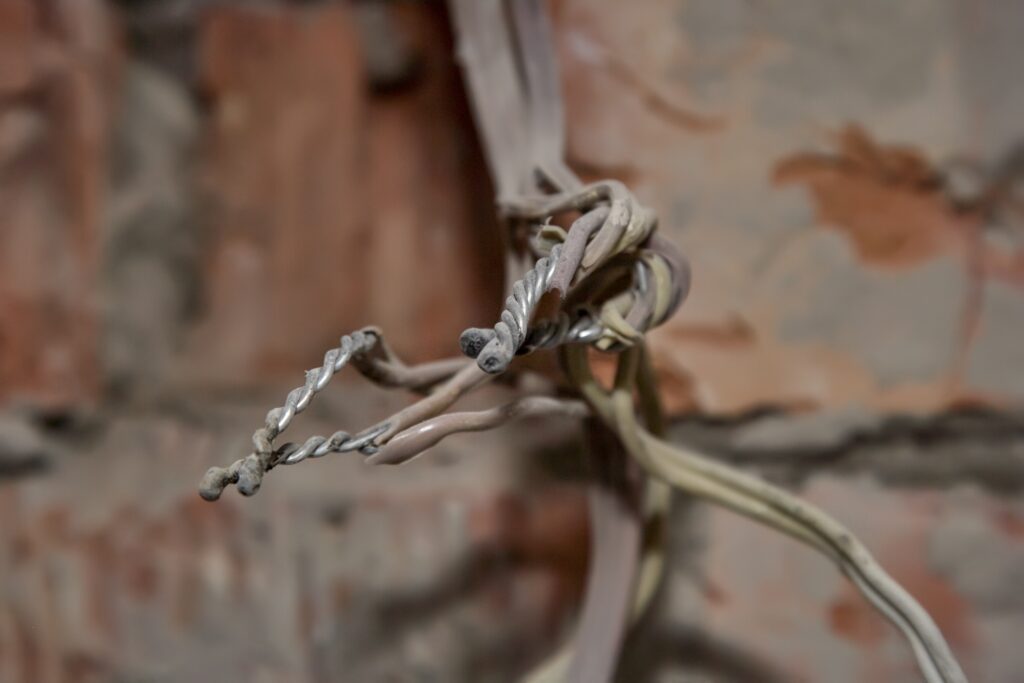
Aluminum wiring was commonly used in residential construction from the mid-1960s to the mid-1970s due to its cost effectiveness during a copper shortage. However, over the decades, the safety risks associated with this type of wiring have become increasingly apparent. This comprehensive article explores the dangers of aluminum wiring, represents safe repair options, particularly focusing on AlumiConn and CO/ALR connectors, and provides insights for homeowners who may be dealing with older electrical systems.
Why Aluminum Wiring Became Popular
Initially celebrated as an affordable alternative, aluminum wiring was favored by builders due to its lower cost compared to copper. Approximately two million homes were wired with aluminum during the 1960s and early 1970s. However, as time passed, serious issues emerged: aluminum wiring is more susceptible to loosening connections due to its tendency to expand when heated, creating a risk for electrical failures and house fires. The Consumer Product Safety Commission (CPSC) states that homes with aluminum wiring are 55 times more likely to experience fire hazards than those wired with copper.
The Risks of Aluminum Wiring
1. Loose Connections: Aluminum expands and contracts more than copper during temperature changes, causing loose connections, particularly at outlets and switches. These loose connections lead to arcing, which can produce heat and ignite surrounding materials.
2. Corrosion: Aluminum wiring oxidizes easily; this oxidation creates increased resistance, which further heats connections and can lead to overheating and eventual failure.
3. Compatibility Issues: Many outlets and light fixtures designed for copper are not designed to be used with aluminum wiring. Using non-compatible fixtures can worsen the risk of fire due to poor connections.
Warning Signs of Aluminum Wiring Issues
Homeowners should be aware of several red flags indicating potential issues with aluminum wiring:
• Flickering or dimming lights can indicate unstable electrical flow due to connection problems.
• Warm outlets or switches can signify overheating due to high resistance in a failing connection.
• A burning smell near outlets or switches can be an urgent indication of a potentially dangerous situation, requiring immediate attention.
Safe Repairs and Remediation Methods
The first step in dealing with aluminum wiring is to have one of our professional and licensed electricians evaluate your electrical system. They can conduct a thorough inspection of visible wiring and perform checks on outlets, switches, and breaker panels to determine the extent of any issues. Depending on the condition of the wiring, homeowners may have several options for repair including:
1. Full Rewiring
The best and safest, albeit costly, approach is complete rewiring with copper wiring. This option eliminates all concerns regarding aluminum wiring and enhances the overall safety and marketability of the home. Although rewiring can be a significant financial investment, typically ranging from $8,000 to $15,000, it provides peace of mind and ensures compliance with current safety standards. This can also be done in stages based on future plans for the home, for example, if a kitchen or bathroom remodel is a project on the list then new wiring can be ran for these areas and extended from as further work is being performed.
2. AlumiConn Connectors
For homeowners seeking a less invasive and more affordable solution, AlumiConn connectors provide an effective repair method. This system includes specialized connectors designed to securely attach aluminum wires to copper wires while preventing the issues that typically arise when the two materials are connected directly. Important aspects of AlumiConn include:
• Safety and Compliance: AlumiConn connectors are recognized by the CPSC as well as the National Electrical Code as a safe and effective option for connecting aluminum to copper. They help to minimize the risk of fire hazards associated with aluminum wiring.
• Professional Installation: It is crucial that these connectors be installed by a qualified electrician who is familiar with the proper procedures to ensure a long-term solution. At the same time as these new connections methods are being installed, a re-device of the home should be done at the same time to ensure all of the receptacles and switches are not affected by heat from the old aluminum connections.
3. AFCI Protection
Another option that should be considered is AFCI protection. AFCI stands for Arc Fault Circuit Interrupter, and these are devices (breaker or receptacle) that can be installed and are designed to detect abnormal arcing patterns in electrical circuits, which can occur when wires are damaged, connections loosen, or insulation is compromised. Unlike standard breakers that respond to overloads or short circuits, AFCIs monitor the electrical current and trip the circuit immediately when a hazardous arc is detected, preventing the arc from igniting nearby materials.
Benefits of Installing AFCIs with Aluminum Wiring
Enhanced Fire Protection: Provides a critical safeguard against arc faults that are common in aluminum connections.
Early Hazard Detection: Trips before a fire can develop, potentially preventing property damage or injury.
Code Compliance: Modern electrical codes (NEC 210.12) require AFCI protection in living spaces, including bedrooms, living rooms, kitchens, and other finished areas.
Conclusion
Aluminum wiring, once a popular choice in residential electrical systems, presents serious safety risks due to its material properties. Homeowners with aluminum wiring must take proactive steps to ensure the safety of their homes through appropriate remediation methods, such as AlumiConn or Arc Fault Circuit Interrupters, or opt for complete rewiring with copper. Always consult with licensed electricians to explore the best solutions tailored to your specific needs. Your safety is always a priority, and addressing these wiring concerns can facilitate proper insurance coverage and increase the long-term value of your home.
It is always important to be proactive instead of reactive when it comes to electrical safety and repairs since a now small issue and become a larger issue, so arm yourself with knowledge, take action, and ensure your home remains safe for you and your family.
For more detailed insights and expert advice on addressing aluminum wiring, consider reaching out to us today to have one of our experienced electricians come out and help you build a road map to handling such situations. Your proactive efforts today can prevent significant accidents tomorrow.