
Water plays a major role in your home’s comfort, efficiency, and plumbing health. Across Raleigh and the Triangle area, homeowners commonly deal with hard water, aging water heaters, clogged drains, and concerns about water quality. Understanding these systems can help you prevent expensive repairs and make better decisions for your home.
Raleigh Water Quality Explained
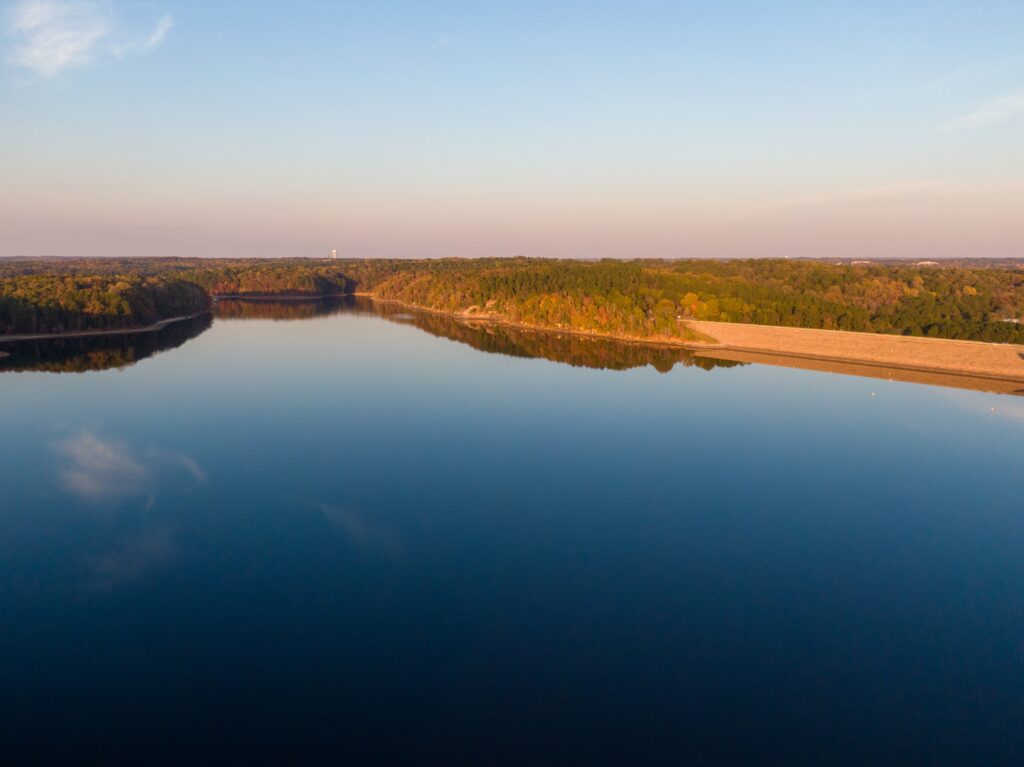
Raleigh’s water supply comes primarily from Falls Lake and is treated to meet federal and state safety standards before reaching homes throughout the area. While the water is considered safe, homeowners may still notice issues such as chlorine taste, sediment, or discoloration depending on their plumbing system and neighborhood.
Heavy rain, aging pipes, and infrastructure repairs can also temporarily impact water clarity or taste. Many homeowners choose to improve their water quality further with filtration systems designed to reduce chlorine, sediment, and other impurities.
Hard Water in the Triangle
Hard water is one of the most common issues in the Triangle. It contains elevated levels of minerals like calcium and magnesium, which can leave behind white residue on faucets, spots on dishes, and buildup inside appliances.
Over time, hard water can reduce the efficiency of water heaters, dishwashers, and washing machines. It can also make soaps and detergents less effective.
Water softeners help remove excess minerals before water enters the home’s plumbing system. Many homeowners install softeners to reduce buildup, improve cleaning performance, and extend the lifespan of appliances.
Water Heaters Explained
Water heaters are one of the hardest-working systems in a home. Traditional tank water heaters store and continuously heat water for daily use.
Over time, minerals settle inside the tank and create sediment buildup. Without maintenance, this buildup can reduce efficiency and shorten the lifespan of the unit.
Homeowners should watch for warning signs such as inconsistent hot water, unusual noises, leaks, or rising energy bills. Most tank water heaters last around 8–12 years depending on maintenance and water quality.
Tank vs. Tankless Water Heaters
Traditional tank water heaters remain popular because of their lower upfront cost and simple installation. However, tankless water heaters have become increasingly common due to their energy efficiency and compact size.
Tankless systems heat water on demand instead of storing it in a tank. This allows homeowners to enjoy a nearly endless supply of hot water while often reducing energy usage.
The tradeoff is a higher upfront installation cost, and some homes may require electrical, gas, or venting upgrades. Choosing the right system depends on your household size, hot water demand, and long-term goals.
Water Filtration Options
Water filtration systems help improve taste, reduce impurities, and protect plumbing fixtures.
Carbon filters are commonly used to reduce chlorine taste and odor. Whole-home filtration systems filter water before it enters the plumbing system, while reverse osmosis systems provide more advanced drinking water filtration.
The best solution depends on your home’s specific water concerns. A professional water test can help determine which filtration option makes the most sense.
Microplastics and Emerging Concerns
Microplastics are tiny plastic particles that can enter water supplies through environmental pollution and household waste. Research into their long-term effects is still ongoing, but the topic has increased homeowner interest in advanced filtration systems.
Reverse osmosis systems are among the most effective options for reducing microscopic particles and impurities in drinking water.
Drain Health and Sewer Line Care
Healthy drains and sewer lines are essential for preventing backups and plumbing damage.
Kitchen drains commonly clog from grease, food particles, and soap residue, while bathroom drains are often affected by hair and hygiene products. Preventative maintenance and mindful drain use can help avoid major blockages.
Sewer line issues are often caused by tree roots, pipe corrosion, grease buildup, or aging underground pipes. Warning signs may include recurring clogs, sewage odors, or multiple drains backing up at once.
Modern sewer camera inspections help plumbers identify problems accurately without unnecessary digging.
Final Thoughts
Your home’s water systems impact everything from comfort and appliance efficiency to plumbing reliability. Understanding common Raleigh-area issues like hard water, water heater maintenance, filtration, and sewer care can help homeowners avoid costly problems and make informed decisions.
Whether you’re upgrading equipment or simply maintaining your plumbing system, proactive care goes a long way toward protecting your home. Call NCWaterHeaters.com at (919) 868-3585