


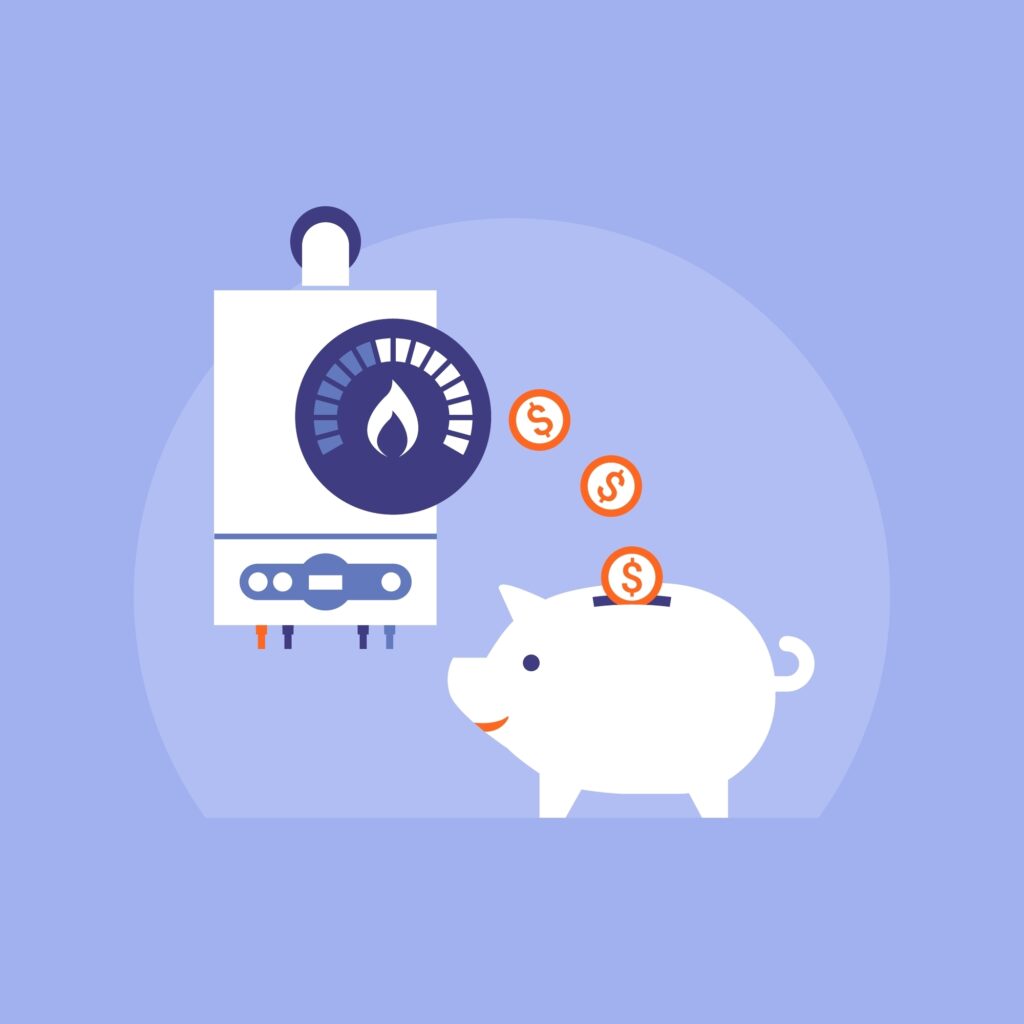
Water heating is one of the largest contributors to monthly energy bills in many homes. From showers and laundry to dishwashing and cleaning, your water heater works every day to keep hot water available when you need it.
The good news is that lowering your water heating costs does not always require a full system replacement. Small adjustments, routine maintenance, and a few smart upgrades can significantly improve efficiency and reduce energy usage over time.
Lower the Water Heater Temperature
One of the easiest ways to reduce water heating costs is by lowering the thermostat setting on your water heater.
Many water heaters are set higher than necessary from the factory. Reducing the temperature to around 120 degrees can help lower energy consumption while still providing comfortable hot water for daily use.
Lower temperatures can also reduce the risk of scalding and place less strain on the water heater over time.
Flush Sediment From the Tank
Sediment buildup is a common issue, especially in areas with hard water. As minerals settle inside the tank, the water heater has to work harder to heat water efficiently. This buildup can increase energy usage, reduce performance, and shorten the lifespan of the system.
Flushing the tank periodically helps remove sediment and improve efficiency. Routine maintenance can also help identify potential issues before they turn into expensive repairs.
Upgrade to a More Efficient Water Heater
Older water heaters typically use more energy than newer models. If your system is over 10–12 years old, upgrading to a modern high-efficiency water heater may significantly reduce utility costs.
Tankless water heaters are especially popular for energy savings because they heat water only when needed instead of storing hot water continuously in a tank.
For some homeowners, hybrid or heat pump water heaters may also provide substantial long-term energy savings.
Insulate Hot Water Pipes
Insulating hot water pipes helps reduce heat loss as water travels from the heater to faucets and appliances. This simple upgrade can help hot water reach fixtures faster while reducing the amount of energy needed to maintain water temperature.
Reduce Hot Water Usage
Lowering overall hot water usage can have a noticeable impact on energy bills. Simple habits such as taking shorter showers, washing clothes in cold water when possible, and fixing leaking faucets can help reduce unnecessary hot water consumption.
Low-flow showerheads and water-saving fixtures can also help homeowners use less hot water without sacrificing comfort.
Consider a Water Softener
Hard water can make water heaters less efficient over time due to mineral buildup inside the tank and plumbing system.
Installing a water softener helps reduce calcium and magnesium buildup, allowing the water heater to operate more efficiently and potentially last longer. This is especially beneficial for homeowners in areas where hard water is common.
Schedule Professional Maintenance
Routine maintenance is one of the best ways to keep a water heater running efficiently. Professional inspections can identify worn components, sediment buildup, leaks, or other issues that may increase energy usage.
Preventative maintenance not only improves efficiency but can also help homeowners avoid unexpected breakdowns and costly emergency repairs.
Final Thoughts
Lowering your water heating costs often comes down to a combination of maintenance, efficiency upgrades, and smarter water usage habits.
Whether you need routine water heater maintenance, a repair, or help upgrading to a more energy-efficient system, the team at NCWaterHeaters.com is here to help. Our experienced technicians can evaluate your current setup, recommend practical solutions, and help you improve comfort and efficiency throughout your home.
Contact NCWaterHeaters.com today to schedule water heater service or learn more about ways to reduce your home’s energy costs.