



Many homeowners in Raleigh and the surrounding Triangle area are surprised to learn that hard water can have a major impact on the performance and lifespan of their water heater.
While municipal water systems meet safety standards, the water supplied to homes can still contain naturally occurring minerals like calcium and magnesium. These minerals are what create what we call hard water.
Over time, hard water can lead to scale buildup inside your water heater, reducing efficiency, increasing energy costs, and potentially shortening the life of the unit.
Understanding how hard water affects your water heater can help you avoid costly repairs and premature replacements.
What Is Hard Water?
Hard water simply means water that contains dissolved minerals, primarily:
- Calcium
- Magnesium
These minerals are picked up as groundwater moves through rock and soil before reaching municipal treatment systems.
Hard water is not typically harmful to drink, but it can affect plumbing systems and appliances throughout the home, including your water heater.
Is Hard Water Common in Raleigh, NC?
Raleigh’s municipal water is generally considered moderately hard, though levels can vary depending on:
- neighborhood location
- water source
- seasonal changes in supply
Even moderate hardness levels can create mineral scale buildup over time, especially in appliances that heat water. Water heaters are particularly vulnerable because heating water accelerates mineral precipitation.
Why Hard Water Is Hard on Water Heaters
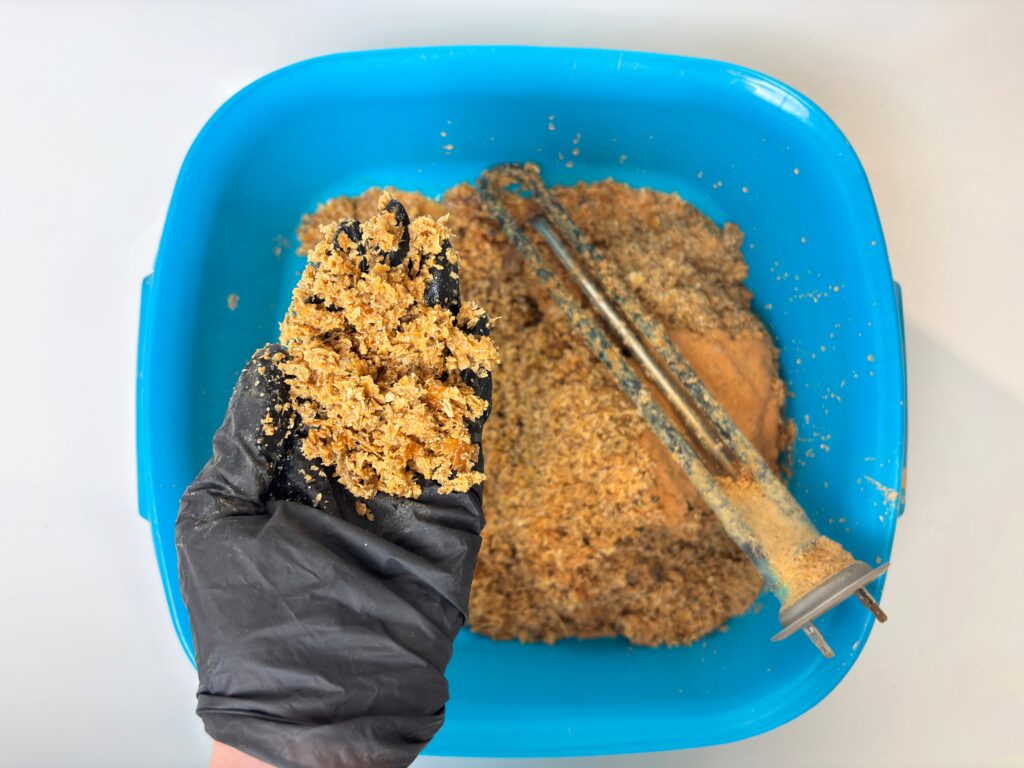
When water is heated, dissolved minerals separate from the water and settle on surfaces inside the tank or heat exchanger.
This mineral buildup is called scale. Scale can accumulate on:
- heating elements
- tank bottoms
- heat exchangers in tankless systems
Over time, this buildup can interfere with normal operation.
Common Water Heater Problems Caused by Hard Water
1. Reduced Heating Efficiency
Mineral scale acts like an insulating barrier between the heat source and the water. This means your water heater must work harder and run longer to heat the same amount of water.
The result:
- higher energy bills
- slower hot water recovery
- increased wear on the unit
2. Strange Noises From the Tank
If you’ve ever heard popping, rumbling, or crackling sounds from your water heater, mineral buildup may be the cause.
Sediment trapped at the bottom of the tank can cause water to become trapped beneath the scale layer. As it heats, steam bubbles escape and create the noise.
This is one of the most common signs of sediment buildup inside a water heater.
3. Shortened Water Heater Lifespan
Scale buildup can cause the bottom of a tank water heater to overheat repeatedly, which stresses the metal tank. Over time, this can lead to:
- tank damage
- corrosion
- leaks
Water heaters operating in areas with mineral-rich water often fail earlier than expected if not properly maintained.
4. Reduced Hot Water Supply
Sediment accumulation reduces the effective capacity of the tank. As sediment builds up, there is less space available for heated water, meaning homeowners may run out of hot water sooner.
Hard Water and Tankless Water Heaters
Tankless water heaters are not immune to hard water problems.
Because tankless systems rely on narrow heat exchanger passages, mineral buildup can restrict water flow and reduce heating efficiency. Without periodic maintenance, scale buildup can lead to:
- reduced performance
- system error codes
- expensive repairs
This is why most tankless manufacturers recommend regular descaling or flushing service.
Signs Hard Water May Be Affecting Your Water Heater
Homeowners in Raleigh may notice several warning signs when mineral buildup begins affecting their water heater:
- popping or rumbling sounds from the tank
- reduced hot water supply
- longer heating times
- increased energy bills
- visible scale on plumbing fixtures
If these symptoms appear, it may be time for maintenance or evaluation of your water heater system.
How to Protect Your Water Heater From Hard Water
There are several ways homeowners can help protect their water heater from mineral buildup.
Regular Water Heater Maintenance
Flushing a water heater periodically helps remove sediment before it becomes a problem. Routine maintenance can help:
- maintain efficiency
- extend the life of the heater
- reduce unexpected repairs
Water Softening Systems
Water softeners remove hardness minerals by using ion exchange technology to replace calcium and magnesium with sodium or potassium. Benefits include:
- less mineral buildup in water heaters
- longer appliance lifespan
- improved soap performance
- reduced scale on fixtures
Whole House Water Filtration
Some whole house filtration systems include technologies designed to reduce mineral scale formation. These systems can improve water quality while helping protect plumbing systems and appliances.
Benefits of Addressing Hard Water
Improving water quality can have benefits beyond protecting your water heater. Homeowners often notice:
- improved hair and skin feel after showering
- less scale buildup on faucets and showerheads
- longer lifespan for appliances such as dishwashers and washing machines
- improved energy efficiency for water heaters
Water Quality and Your Home
Many homeowners are becoming more aware of how water quality affects both their home and their health. Issues such as hard water, chlorine, PFAS, and microplastics have increased interest in water treatment solutions.
Understanding the condition of your home’s water can help you make informed decisions about protecting both your plumbing system and your family’s water quality.