



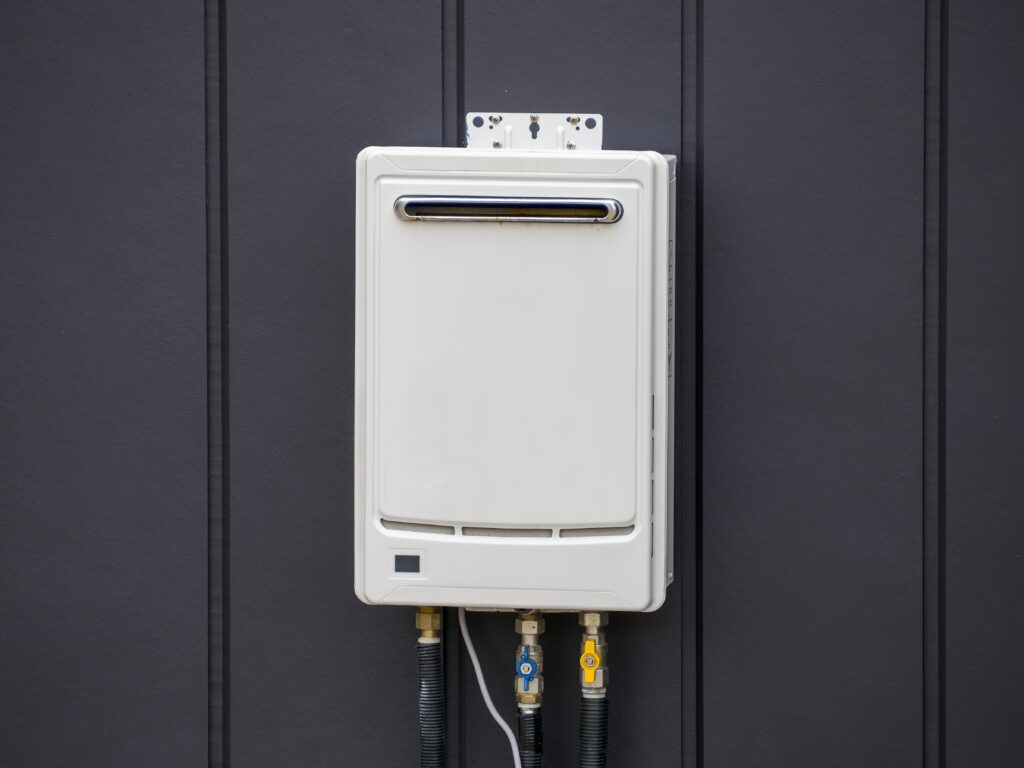
Upgrading from a traditional tank-style water heater to a high-efficiency tankless system is one of the most impactful plumbing improvements you can make. Tankless water heaters offer endless hot water, increased energy efficiency, and a longer lifespan but the conversion process is more complex than a standard “like for like” tank replacement.
Here’s what actually goes into a tank to tankless conversion and why the cost is significantly different.
Proper Sizing and System Selection
Unlike tank water heaters, which heat a stored amount of water, tankless units heat water on demand.
Correct sizing depends on:
- Number of plumbing fixtures
- Simultaneous water use (showers, laundry, dishwasher)
- Average incoming ground water temperature
- Gas or electric availability
A properly sized unit prevents temperature fluctuations or insufficient hot water.
Gas Line or Electrical Upgrades
This is one of the biggest factors in conversion cost.
For Gas Tankless Systems
Many homes will require the gas piping to be upgraded to ¾” lines to handle the higher BTU requirements of a tankless water heater. This may require:
- Upsizing the gas line from the meter
- Running a new dedicated gas line
- Verifying supply pressure from your utility
- Installing new gas shutoff valves and regulators
For Electric Tankless Systems
Electric tankless units sized large enough to run showers, tubs, and washing machines will require a considerable amount of power available amperage from the panel box. For residential purposes most electric tankless water heaters will require:
- A panel box upgrade
- Multiple dedicated breakers
- Heavy-gauge wiring
- Potential service upgrade from the power company
These electrical requirements make electric tankless conversions uncommon in many Raleigh area homes unless major electrical upgrades are planned.
Venting Modifications (For Gas Units)
Gas tankless water heater conversions will require modifications to the venting. Usually stainless steel or PVC, depending on the model. This may involve:
- Cutting new vent paths
- Penetrating ceilings, walls, or roofs
- Ensuring proper clearances from windows, soffits, or gas meters
Traditional tank heaters often vent through older metal flues; these cannot be reused for tankless systems.
Water Line Adjustments & New Mounting
Tankless units are wall-mounted and require reworking existing water lines. This includes:
- Re-piping hot and cold lines to match new locations
- Installing isolation valves for future maintenance
- Adding a condensation drain on high efficiency models
- Potential relocation of the entire system for code clearance
Condensation Drainage
High-efficiency tankless models (common today) produce condensation that must drain properly, which may require:
- A new drain line
- A pump if gravity drainage isn’t possible
- Routing to a condensate-neutralizing kit when required by code
Electrical Requirements (Even for Gas Units)
All tankless heaters require electricity to operate their control boards, igniters, and sensors. Expect:
- A new dedicated outlet
- GFCI protection if required
- Proper gas meter grounding
Permits, Code Requirements & Manufacturer Specs
Tankless installs require strict compliance with:
- NC Plumbing Code
- NC Fuel Gas Code
- Manufacturer specific venting and clearance requirements
Permits and inspections are mandatory for tankless conversions.
The Real Cost of Converting to Tankless
Prices vary depending on installation complexity, gas availability, and electrical work, but here are realistic Raleigh area ranges:
Standard Tankless Conversion (Gas)
$3,500–$6,500+
Includes proper venting, gas line modifications, water line adjustments, electrical outlet installation, permits, and the tankless unit itself.
Tankless Conversion Requiring Gas Piping Upgrades
$5,000–$9,000+
If the home requires significant gas line upsizing from the meter or long-distance line runs.
Electric Tankless Conversion
$4,500–$9,000+
Most of the cost comes from electrical panel and service upgrades.
Why the cost is higher than a tank replacement:
- A tank replacement is typically a same for same replacement with no modifications, often done in a few hours.
- A tankless conversion is a full system redesign involving gas, water, electrical, venting, and permitting.
- The tankless unit itself costs significantly more than a tank-style heater and the materials needed to convert the system can quickly add to the overall cost.
Why Homeowners Still Choose Tankless
Despite higher upfront costs, tankless systems offer long-term value:
- Endless hot water
- Up to 30–40% improved efficiency
- 20+ year lifespan when maintained
- Added home value and modernized system
Choose a Licensed Specialist for Tankless Conversions
Tankless conversions involve multiple trades including plumbing, mechanical, gas piping, and electrical. Improper installation can cause:
- Gas leaks
- Carbon monoxide issues
- Electrical hazards
- Warranty voided
- Property damage
NCWaterHeaters.com LLC specializes in professional, code compliant tankless installations across Raleigh, Cary, Apex, Holly Springs, and Wake County.
Your safety, your warranty, and your long-term performance depend on expert installation. We can evaluate your home, sizing needs, and conversion requirements to provide an accurate quote with no upselling.
NCWaterHeaters.com — Local water heater experts since 2013
📞 919-868-3585