




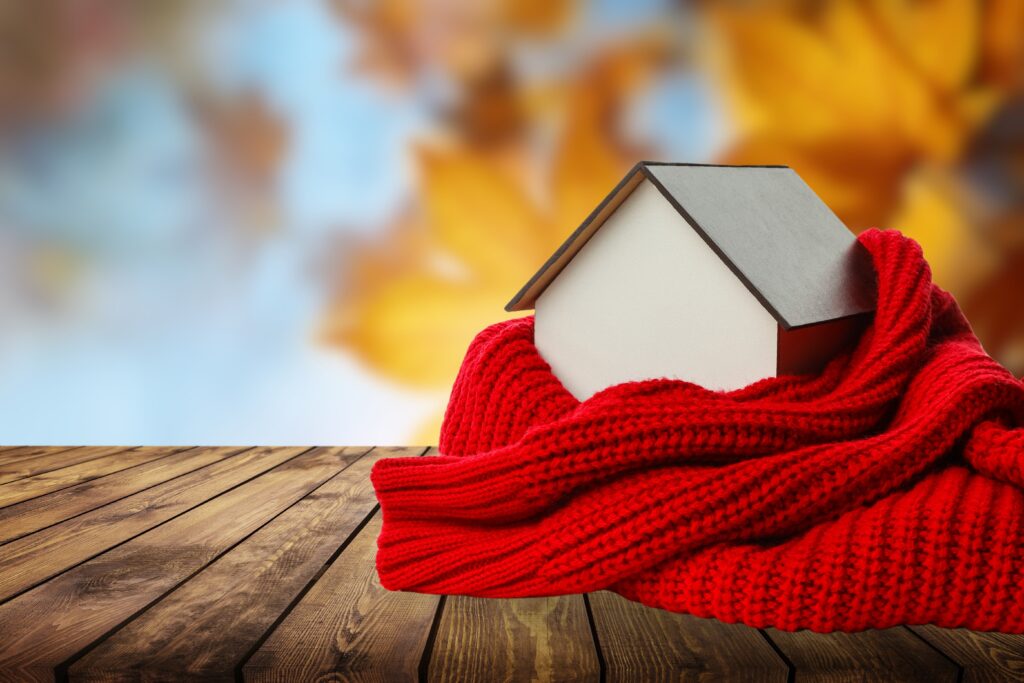
North Carolina’s Piedmont region is famous for its unpredictable seasonal shifts. In the Raleigh area, it is not uncommon to experience a balmy 65 degree afternoon followed by a sudden overnight freeze. Because our winters are generally mild, many southern homes are not built to withstand deep freezes the way northern homes are. Preparing your property for the changing seasons is essential to prevent costly water damage, improve energy efficiency, and protect your most valuable asset.
General Exterior Maintenance
The transition into fall means preparing your home’s exterior to handle falling leaves, freezing rain, and winter storms.
Clean and Secure Gutters: Raleigh’s abundant pine trees and oaks drop massive amounts of needles and leaves. Clogged gutters trap water, which can freeze and cause heavy ice dams that force water under your roof shingles. Ensure downspouts direct water at least three to five feet away from your foundation.
Seal Drafts and Exterior Leaks: Cold air sneaking in through small cracks around windows and doors forces your HVAC system to work overtime. Apply high grade, weather resistant caulk to exterior joints and replace worn weatherstripping around doors.
HVAC Tune-Up: Schedule professional maintenance for your heating system before the first cold snap. Swap out air filters every 1 to 3 months to maintain healthy airflow and reduce energy bills.
Chimney Inspection: If you have a working fireplace, schedule a professional chimney sweep and inspection to prevent smoke backup and reduce fire hazards.
Plumbing Prep: Defending Against the Freeze
Freezing temperatures in the Triangle often lead to burst pipes, causing catastrophic interior flooding because many homes feature exposed outdoor plumbing or unheated crawl spaces.
Disconnect Outdoor Hoses: This is the easiest and most critical step. Remove garden hoses, drain them, and store them indoors. Leaving a hose connected traps water, which can freeze, expand, and crack the outdoor spigot.
Protect Outdoor Spigots: Install insulated foam covers (hose bib covers) over all outdoor faucets to shield them from freezing air.
Insulate Supply Piping: Apply pipe insulation in areas where cold and hot water supply piping may be exposed to freezing air temperatures.
Close Foundation Vents: If your home has an unsealed crawl space, close the foundation vents and seal cracks before extreme freeze warnings hit to trap ground heat beneath the house.
Drip Faucets During Hard Freezes: When temperatures plummet overnight, let a slow trickle of water run from hot and cold faucets located on exterior walls to prevent pressure buildup and pipe bursts. Leave cabinet doors open underneath sinks to allow warm indoor air to circulate around the plumbing.
Water Heater Advice for the Colder Months
Your water heater works significantly harder during the winter as the incoming groundwater temperature drops. A little fall maintenance goes a long way.
Flush the Tank: Over the year, sediment and minerals build up at the bottom of the tank, which reduces efficiency and shortens the unit’s lifespan. Drain the water heater to clear out this sediment buildup, resulting in cleaner water and lower utility bills.
Check the Temperature: Set the thermostat on your water heater to 120°F. This is hot enough to prevent bacteria growth but cool enough to prevent scalding and ease your utility bills.
Electrical & Power Reliability: Storm Season Prep
Raleigh residents know that both autumn hurricanes and winter ice storms can knock out the power grid for days. Preparing your home’s electrical infrastructure is crucial for safety and comfort.
Whole-Home Generators: A standby generator permanently wired to your electrical system automatically detects a power outage and restores power to your HVAC, refrigerator, and essential circuits within seconds. If you already have one, schedule an annual fall maintenance check to test the battery, change the oil, and ensure the transfer switch is operating correctly.
Portable Generator Safety: If you rely on a portable generator, never run it inside a garage or closer than 20 feet from your home’s windows or doors to prevent carbon monoxide poisoning. Ensure you have fresh fuel stored safely with a stabilizer added.
Surge Protection: Power fluctuations common during ice storms and high winds can fry expensive appliances. Consider having an electrician install a whole-house surge protector at your main breaker panel.
We’re Here To Help!
Getting your home ready for fall and winter doesn’t have to be overwhelming. From protecting your plumbing and water heater to preparing your electrical system for the next storm, a little preventative maintenance now can help you avoid expensive problems later. If you’re not sure whether your home is ready for the colder months, the team at NCWaterHeaters.com is here to help. Contact us today to schedule professional plumbing, electrical, water heater, or generator services and head into winter with greater peace of mind.