



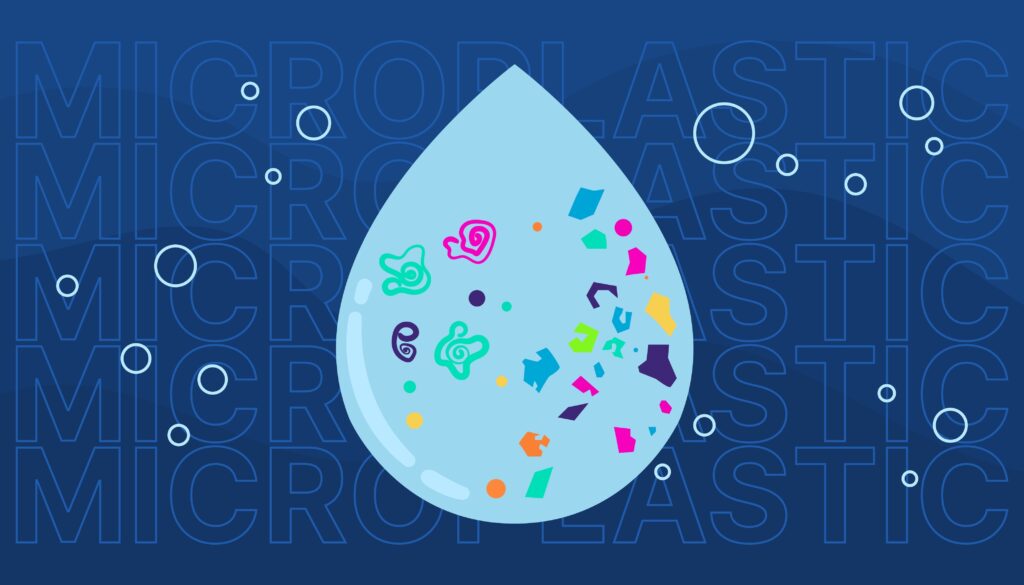
Microplastics have officially infiltrated the global water supply. These microscopic plastic fragments measuring less than 5 millimeters, and often entirely invisible to the naked eye are shedding from synthetic clothing, packaging, and industrial waste, eventually making their way into rivers, reservoirs, and municipal tap water.
While the long term health impacts of consuming microplastics are still being studied, homeowners are increasingly taking matters into their own hands to secure clean, safe drinking water. But addressing microplastics is only one piece of the puzzle; proper water filtration is a vital shield for both your family’s health and your home’s plumbing infrastructure.
Which Filters Actually Remove Microplastics?
Standard pitcher filters and basic refrigerator filters are not designed to catch microscopic plastic particles. To effectively trap microplastics, a filter must have an incredibly fine micron rating.
Reverse Osmosis (RO) Systems: This is the gold standard for drinking water. RO systems force water through a semi-permeable membrane with pores as small as 0.0001 microns. This process effectively strips out microplastics, heavy metals, forever chemicals (PFAS), and dissolved solids.
Sub-Micron Carbon Block Filters: Advanced activated carbon blocks rated at 0.5 microns or smaller can physically trap larger microplastics while simultaneously absorbing chlorine, odors, and chemical contaminants.
Ultrafiltration (UF): Operating similarly to RO but with slightly larger pores (around 0.01 microns), UF systems are highly effective at blocking microplastics and bacteria without removing the beneficial minerals from the water.
The Broader Value of Whole Home Filtration
While under sink RO systems are perfect for drinking water, a whole home water filtration or conditioning system treats every drop of water the moment it enters your house. This comprehensive approach provides benefits that go far beyond the kitchen sink.
Health and Safety: A whole home system removes chlorine, volatile organic compounds (VOCs), and industrial run off before you bathe in them. Skin absorbs water and inhaled steam during hot showers; removing harsh chemicals prevents dry skin, brittle hair, and respiratory irritation.
Protecting Your Plumbing: Hard water minerals (calcium and magnesium) act like liquid sandpaper inside your pipes. A whole home conditioning system neutralizes these minerals, preventing the chalky scale buildup that chokes water pressure and slowly destroys plumbing joints.
Saving Your Water Heater: Water heaters, especially modern, high efficiency tankless units, are vulnerable to hard water scale. Scale coats the heat exchangers, forcing the unit to burn more energy and drastically shortening its lifespan. Filtered, conditioned water is the absolute best way to protect this major investment and maintain your manufacturer warranties.
Extending Fixture and Appliance Life: Clean water stops the crusty white buildup on expensive showerheads, glass doors, and faucets. It also prevents the rubber seals and internal valves in your dishwasher and washing machine from deteriorating prematurely.
Let the Experts Protect Your Home
At NCWaterHeaters.com & NCPlumbingServices.com, we engineer total water quality solutions tailored to your specific home. Our experts specialize in the installation and maintenance of premium water filtration, conditioning, and reverse osmosis systems.
Because every home’s water is different, we are currently offering free in home comprehensive water quality testing and consultations. We will test your water on site, evaluate your plumbing, and help you design a customized filtration strategy to protect your family and your home. Contact us today to schedule your free water quality test.