



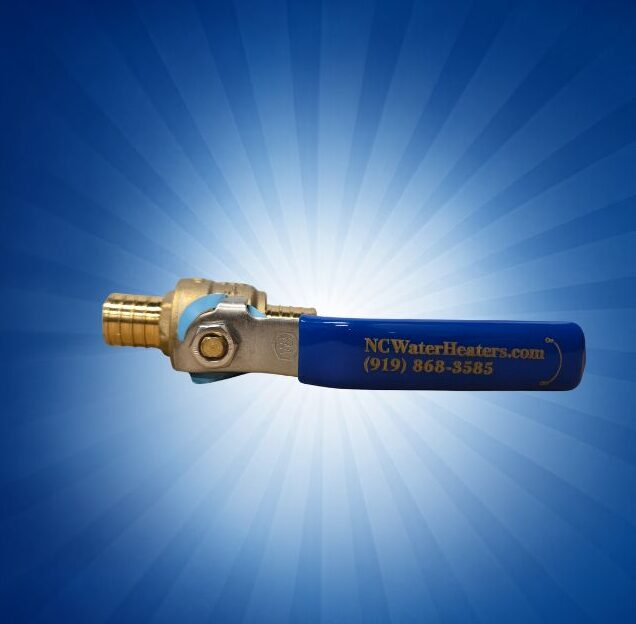
Isolation valves are an important component of a properly designed and maintained plumbing system. Their primary purpose is to allow the water supply to a specific fixture, appliance, or section of plumbing to be shut off without requiring the water supply to the entire building to be interrupted.
Protection Against Water Damage
One of the most important benefits of isolation valves is their ability to help minimize water damage during a plumbing emergency. If a pipe, fixture, appliance connection, or other plumbing component begins leaking or fails, an accessible isolation valve allows the affected area to be shut off quickly. Without an appropriate isolation valve, water may continue flowing until the building’s main water supply can be located and shut off, potentially resulting in significantly greater property damage.
Maintenance and Repairs
Isolation valves also make routine plumbing maintenance and repairs safer and more efficient. A plumber can isolate the portion of the system requiring service while allowing the remainder of the plumbing system to continue operating. For example, a toilet, sink, water heater, washing machine, or other fixture may be repaired or replaced without unnecessarily shutting off water throughout the entire property. It is important that these valves are regularly exercised. Long periods of time without use may cause the valve not to operate when that time is needed.
Safety and Accessibility
Properly located and functioning isolation valves provide an accessible means of controlling the water supply when an unexpected problem occurs. This can be particularly important when immediate action is necessary to control a significant leak. Valves should remain accessible and operational so they can be used promptly when needed.
Long-Term Property Protection
Isolation valves provide an additional level of protection for the plumbing system and the property as a whole. Quickly stopping water flow can reduce the extent of damage to flooring, drywall, cabinetry, structural materials, and personal property. Limiting water exposure may also reduce the likelihood of secondary moisture-related problems.
Multi-Turn Valves
Multi-turn valves or “Gate Valves” often fail when they are not used in an extended period of time. The “gate” of the valve may not be able to fully close and isolate the water as sediment and other debris build up in the channel of the gate. In an emergency situation, this renders the device useless. Multi-turn valves often utilize a rubber gasket that covers the port of water flow. Over time, the chlorine that is abundant in todays water breaks down that rubber gasket over time. It is important to exercise these valves and check for function and not when it is needed.
Conclusion
Isolation valves are a relatively small component of a plumbing system but serve an important function. Properly installed, accessible, and functioning isolation valves allow individual plumbing components or sections of the system to be shut down when necessary. This provides greater control during emergencies, simplifies maintenance and repairs, and can substantially reduce the potential for water-related property damage. For these reasons, appropriate isolation valves are an important part of a safe, functional, and maintainable plumbing system.
Homeowners should periodically identify the location of their isolation valves and make sure they can be accessed and operated when necessary. A valve that is difficult to reach, stuck in place, damaged, or no longer capable of fully stopping the water supply may not provide the protection it was designed to offer. If you are unsure whether the isolation valves throughout your home are functioning properly, or if you are dealing with a valve that will not shut off completely, a professional plumber can inspect the system and determine whether repair or replacement is needed. Contact NCWaterHeaters.com today to schedule a plumbing inspection or service and make sure your home’s water shutoff points are ready when you need them.