



Trenchless water line replacement is revolutionizing how homeowners address failing or damaged underground water lines. By eliminating the need for extensive, destructive digging, this modern method offers a suite of benefits that traditional replacement techniques simply cannot match.
Minimal Disruption: Preserving Your Property and Landscaping
The most immediately recognizable benefit of trenchless replacement is the dramatically reduced impact on your property.
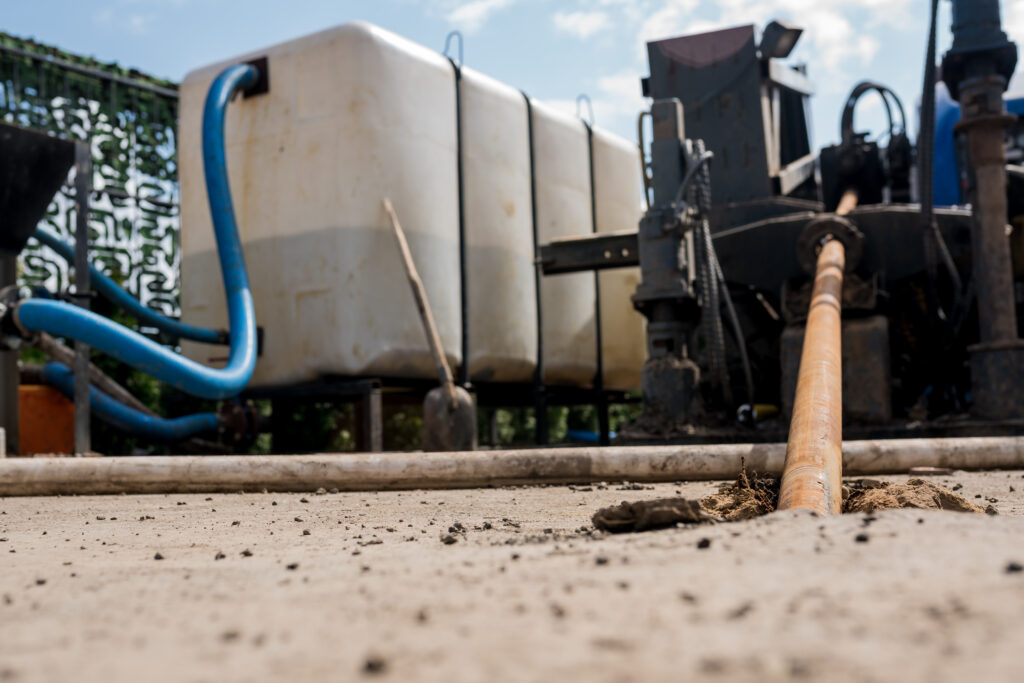
Targeted Access, Not Total Excavation: Unlike traditional methods, which require a lengthy, unsightly trench to be dug across your yard, driveway, or even under existing structures, trenchless techniques only require two small, strategically placed access points (a launching pit and a receiving pit). These are typically a few feet in size.
Protection of Landscaping and Hardscaping: This minimal excavation means your mature trees, well-established flower beds, intricate walkways, driveways, and patios remain virtually untouched. There is no need for costly and time-consuming restoration of destroyed landscaping or demolished hardscaping elements, saving you both time and stress.
Structural Integrity: By avoiding large-scale digging near your home’s foundation or other subterranean utilities, the structural integrity of your property is maintained, significantly reducing the risk of accidental damage.
Cost-Effective: Smart Savings in the Long Run
While the initial estimate for a trenchless procedure might appear higher than a traditional dig-and-replace, the long-term financial picture often favors the trenchless approach.
Reduced Restoration Expenses: The true cost savings come from the elimination of major restoration fees. With traditional replacement, you are billed not only for the plumbing work but also for the labor and materials to refill the trench, compact the soil, and repair or replace any damaged lawns, gardens, concrete, or asphalt. Trenchless replacement dramatically minimizes these necessary, expensive repairs.
Lower Labor Time and Overhead: Because the crew spends significantly less time on excavation and restoration, the overall labor time is reduced. This efficiency translates into lower overhead costs for the service provider, which can often offset the specialized equipment costs.
Faster Project Completion: A faster completion time means less interruption to your daily life and a quicker return to fully functioning water service.
Exceptional Speed and Efficiency
One of the most appealing factors for homeowners facing a water line emergency is the speed of the trenchless process.
Completion in Hours, Not Days: The actual pipe replacement using a pipe bursting or pipe lining method can often be completed in a matter of hours. The total project duration, from setup to clean-up and restoration of water service, is typically completed within a single day.
Rapid Service Restoration: This speed is critical when a water line failure has left a home without water or a high water bill. Trenchless methods allow for the quickest possible restoration of reliable water service, minimizing the inconvenience to the household.
Environmental Responsibility: An Eco-Friendly Solution
Trenchless technology is inherently a more sustainable and environmentally conscious choice compared to traditional excavation.
Minimized Soil Disturbance: By avoiding the digging of a long trench, trenchless replacement significantly reduces the amount of soil that is disturbed. This helps to prevent soil erosion, maintain natural soil strata, and preserve the delicate balance of the local landscape ecosystem.
Less Waste Generation: There is less waste material (soil, concrete, asphalt debris) that needs to be transported from the site, reducing the overall carbon footprint of the project.
Landscape Integrity: Keeping the landscape intact means that the existing vegetation, which plays a vital role in local water management and air quality, remains healthy and undamaged.